THE MERCHANTS OF HAYMARKET: PUTTING SYDNEY’S CHINATOWN ON THE MAP 禧市商人:造就悉尼(雪梨)唐人街
MOCA’s inaugural exhibition tells the lesser-known story of the Chinese merchant families who built Haymarket Chinatown, against the odds of the White Australia policy.
Chinatowns around the world have long held a fascination as enclaves of intrigue, of food and culture and a vibrant commercial spirit. The same holds true for Sydney’s Haymarket Chinatown, which relocated from the first Chinese settlement in The Rocks in the latter part of the 19th century.
Beyond the familiar narratives of early Chinese-Australians as goldminers, market gardeners, hawkers, cooks and cabinet-makers, the inaugural exhibition at the Museum of Chinese in Australia (MOCA) reveals the lesser-known early history of Haymarket Chinatown.
The exhibition honours the Chinese merchant families who built the district during the difficult decades when successive Australian governments sought to restrict the immigration of non-whites under the so-called White Australia policy.
Despite that obstacle, Haymarket prospered thanks to Chinese associations, businesses and the families behind them along Campbell, George, Dixon, Hay and Sussex streets. These families, including a few pioneering mothers and daughters, leveraged entrepreneurial skill, clan networks and transnational connections; many thrived, creating one of the most exceptional Chinatowns in Australia.
The foyer exhibits feature selected objects and images from these merchant families. The full exhibition is located in the Level 1 gallery.
CHINESE BUSINESS ASSOCIATIONS 中華商會
1892–1965
At the end of the 19th century, Chinese merchants in Sydney formed business associations to engage in charitable work, promote cooperation and campaign against the White Australia policy.
Lin Yik Tong, also known as the Chinese Commercial Association (1892–1903), was the first Chinese commercial association in Sydney, with representatives from eight import and export firms. It reformed as the New South Wales Chinese Merchants’ Society (1903–1912), which fought boycotts and lobbied to ban opium imports, then became the New South Wales Chinese Chamber of Commerce (1913–1965). In 1917 it united all parties to establish the first Chinese-owned shipping company, and in 1924 founded the Australia Sydney Chinese School at 52 Dixon Street.
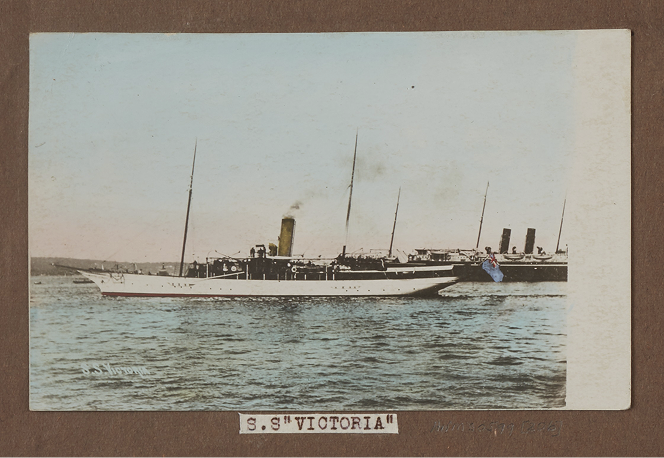
ANMM Collection Transfer from the Australian War Memorial
ANMS0599[206], The Australian National Maritime Museum
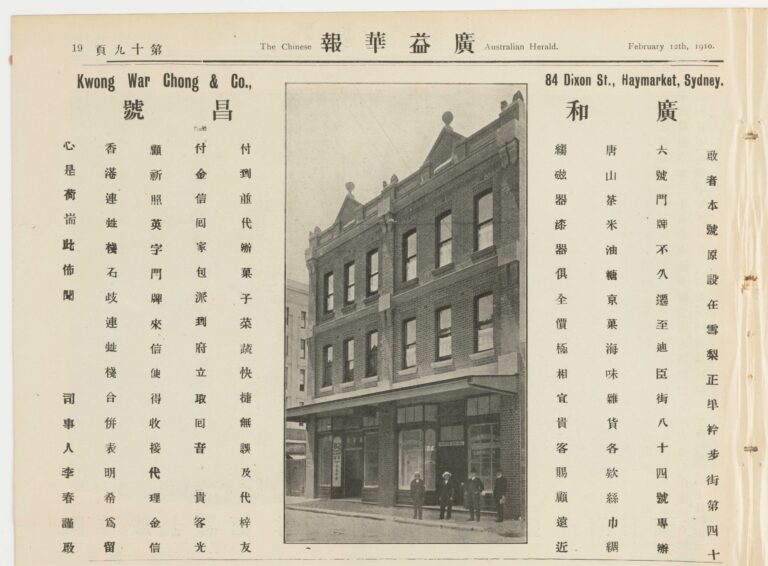
KWONG WAR CHONG & CO. 廣和昌公司
1883–1987
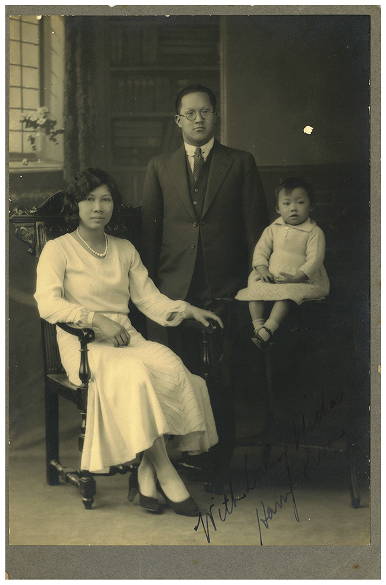
Kwong War Chong & Co. was a mixed business combining a general store, trading company, remittance agency and dormitory accommodation. Established in 1883 on Campbell Street by Chinese businessmen including Phillip Lee Chun, it moved to 84 Dixon Street in 1911 after Lee Chun bought the first Chinese-owned buildings on the street. The premises served as store, residence and community gathering place.
Harry Lee and then Norman Lee, sons of Phillip Lee Chun, ran the business from 1932 until 1987. Kwong War Chong was a lifeline for Chinese migrants, offering essential services and accommodation, and a haven for family and community.
MEI QUONG TART 梅光達
1850–1903
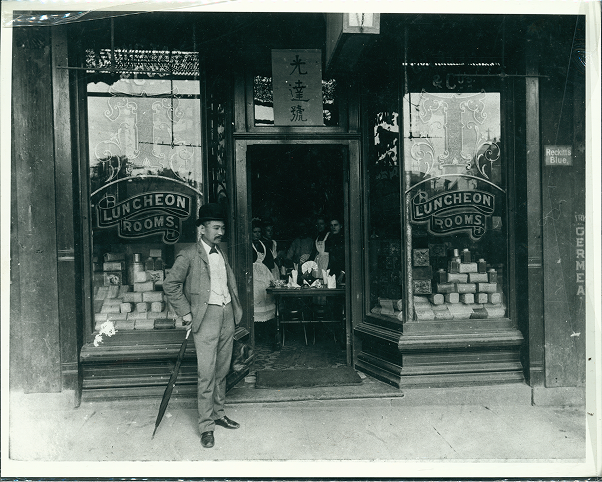
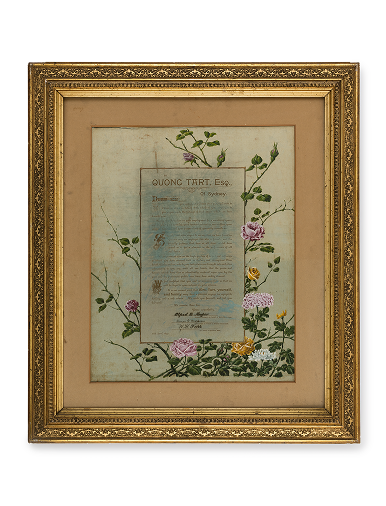
Mei Quong Tart (1850–1903) was a prominent 19th-century Chinese-Australian merchant, public figure, philanthropist and cultural ambassador. From 1881 he built a tea business across Sydney, including near Haymarket, the Loong Shan Tea Rooms (1889) and the Elite Dining Room and Tea Rooms in the Queen Victoria Markets (1898). In 1894 he was awarded the title of Mandarin of the Fourth Rank by China’s Imperial Court.
His tea rooms became important venues for social and political gatherings, including the women’s suffrage movement. He died in 1903 after a violent assault in his office, and was widely mourned. His success and his efforts to bridge cultural divides made him the most influential and respected Chinese-Australian of his time.
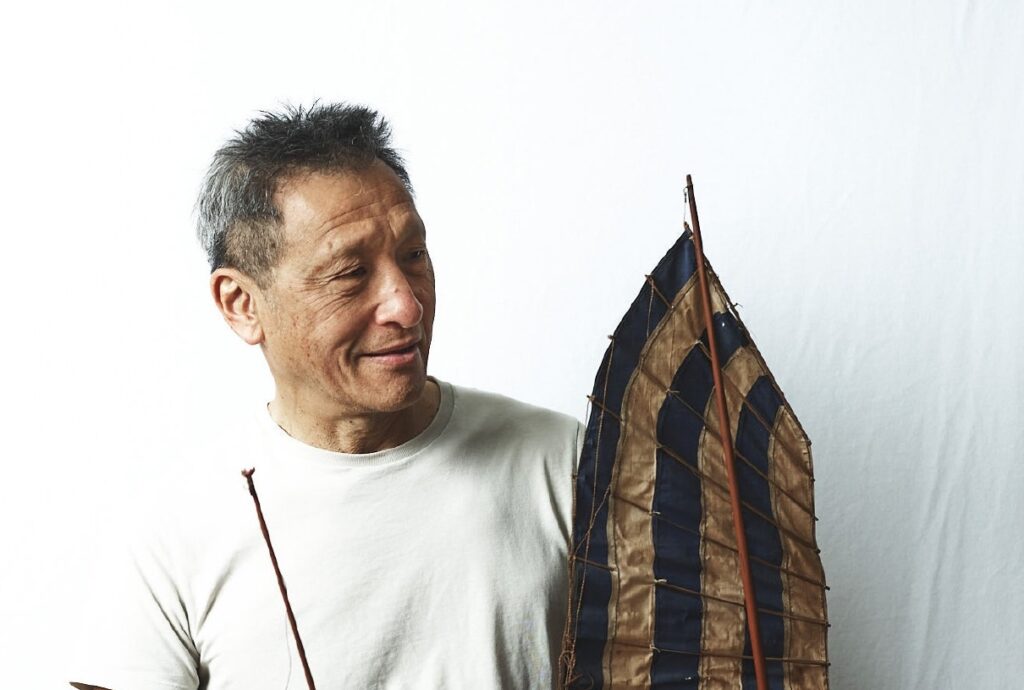
Photographer: Ryan Hernandez
錦順號(錦順有限公司)
1910–1954
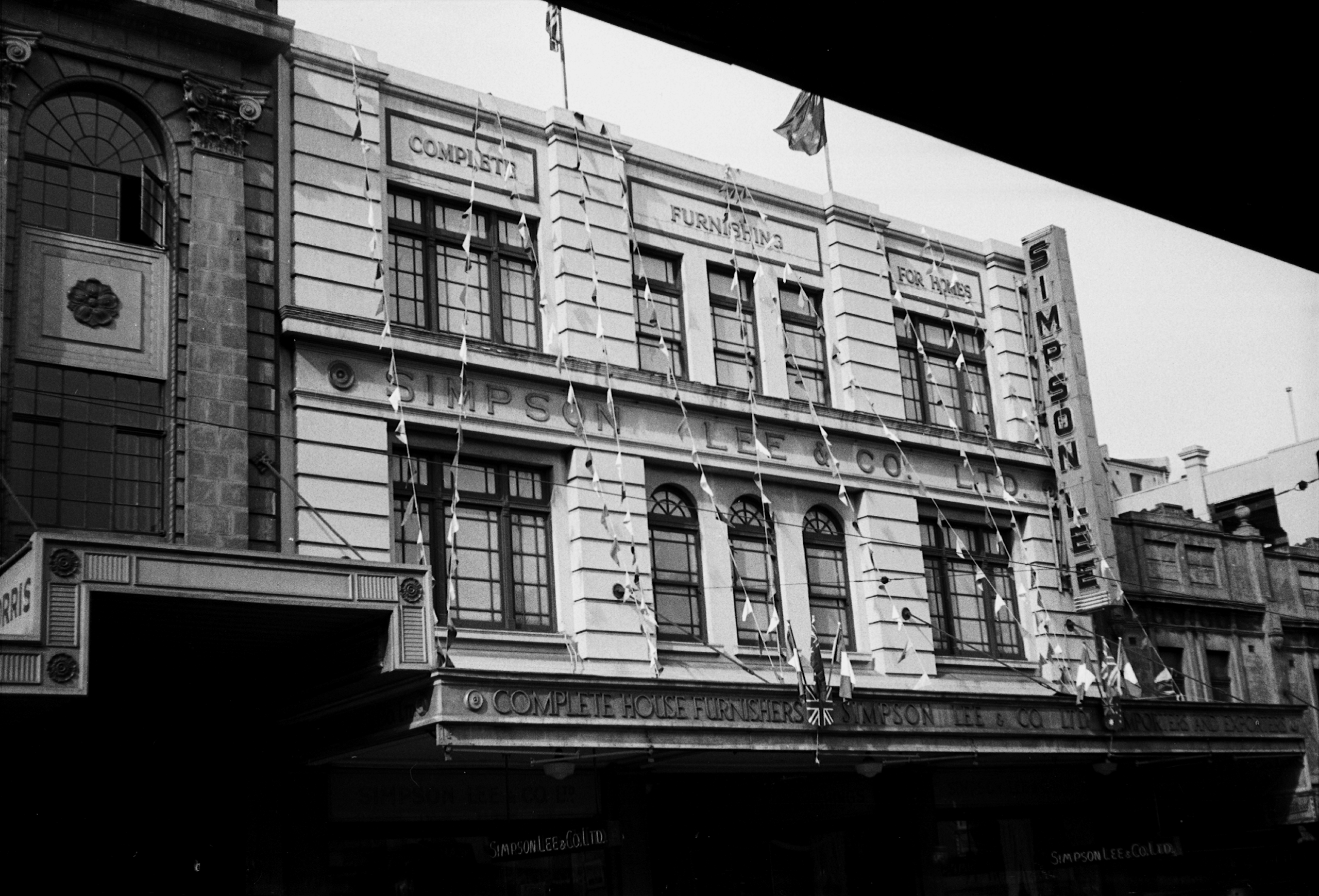
James Simpson-Lee (1883–1963) and a group of businessmen established a home furnishing store at 410 Pitt Street in 1910. In 1929 Simpson-Lee took over, renamed it Simpson Lee & Co. and moved to 414–418 Pitt Street, four floors of household goods and furnishings including luxury items.
Known as the ‘Complete Furnishers’ and ‘Eastern Merchants’, the company specialised in Chinese handicrafts, working with exporters in Hong Kong, Beijing, Tianjin and Shanghai. As one of the few Chinese-owned public companies of its time, it promoted fine Chinese craftsmanship into Australia’s young home furnishing market.
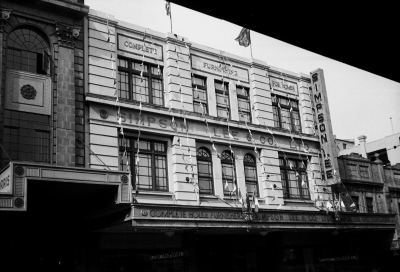
Courtesy of Wailum Simpson-Lee
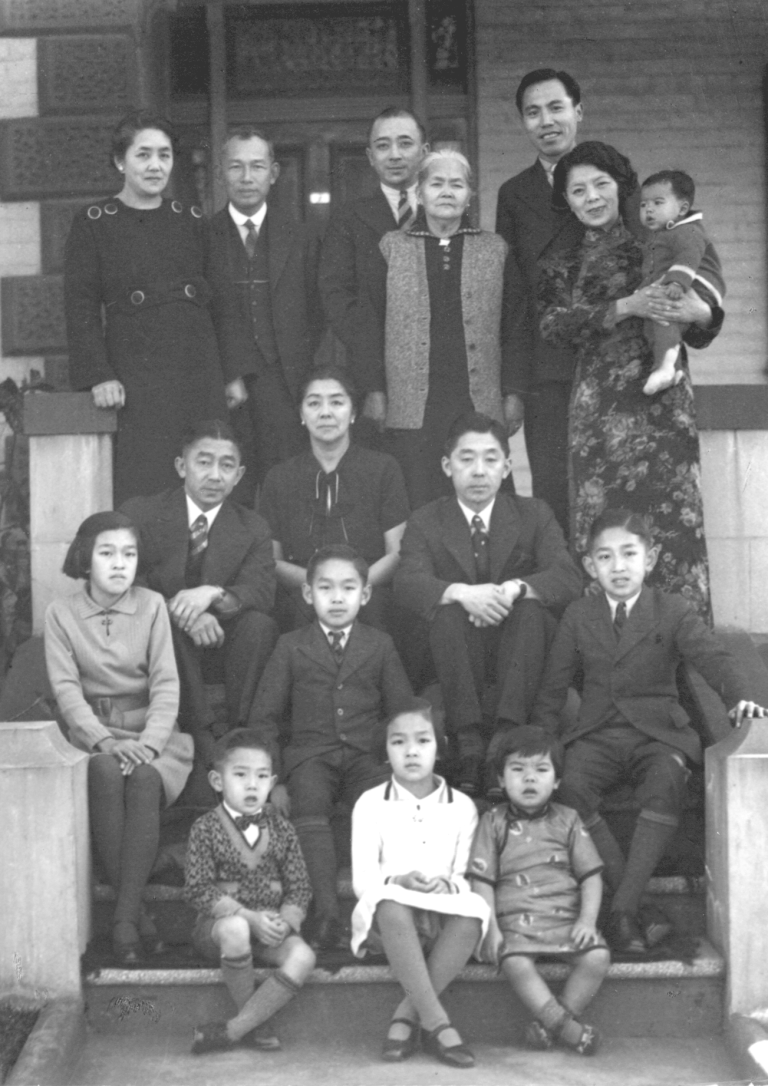
Summer Hill, NSW, 1935
Courtesy of Wailum Simpson-Lee
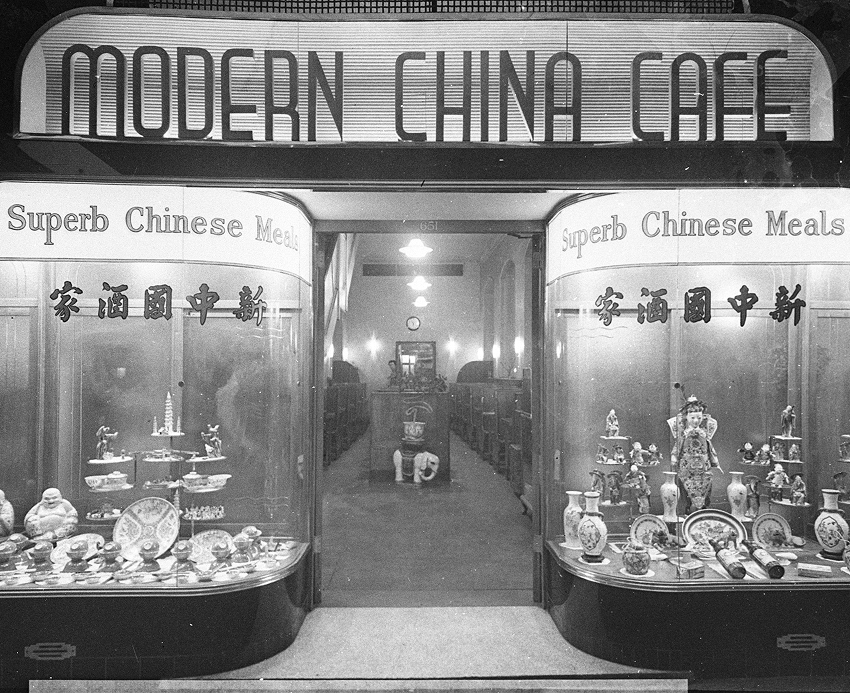
Modern China Café 新中國酒家
1940–1965
Pang Hung Jarm arrived in Sydney from Hong Kong in 1926 to manage his father’s trading store. In 1940 he opened the Modern China Café at 651 George Street in Haymarket, as Chinese cuisine was gaining popularity among non-Chinese Sydneysiders.
With its elegant Art Deco design and a distinctive modified Chinese menu, the café remained an iconic dining spot for more than two decades, helping cultivate a more diverse food culture and expanding dining experiences in post-war Sydney.
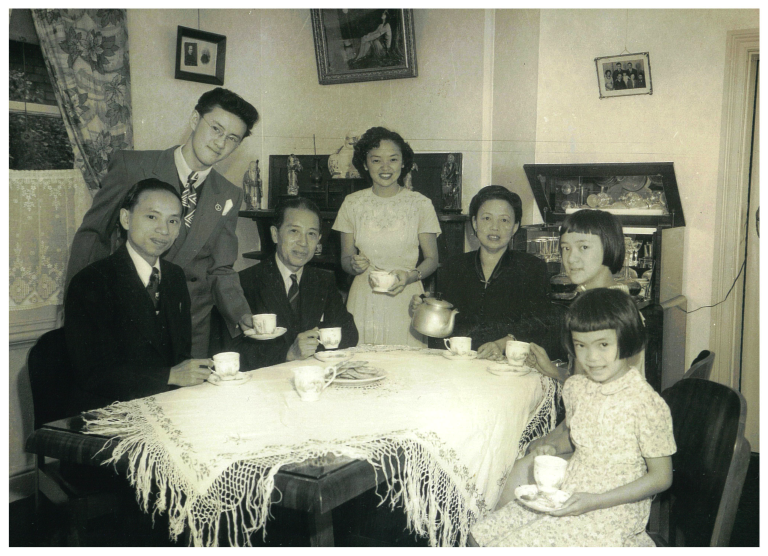
Pang Family Collection, Museum of Chinese in Australia
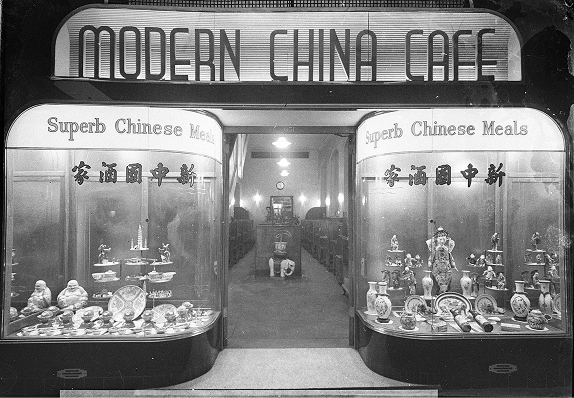
6 September 1949 (Sam Hood) NCY61/55,
State Library of New South Wales
WING SANG & CO. 永生號
1890–1984
Wing Sang & Co. was an international fruit import-export business and remittance agency, operating in Haymarket from 1890 before moving to Flemington Markets in 1972 and closing in 1984. Founded by Wing Chan Ma (Mark Joe), George Bew Kwok, Ma Ying Piu and James Choy Hing, all from Zhongshan in Guangdong, the founders and their families later established the famous ‘Four Great Department Stores’ — Sincere, Wing On, Sun Sun and Da Sun — in Hong Kong and Shanghai.
Wing Sang & Co. exemplifies the success of Chinese enterprise in Australia, using profits and international networks to invest across the Asia-Pacific and shape urban consumption patterns in China.
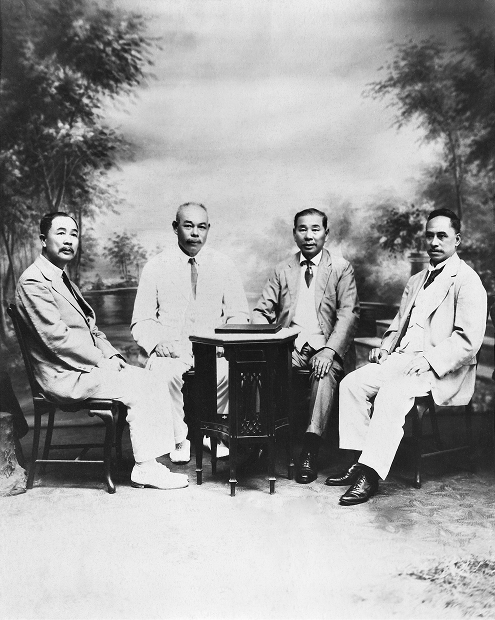
City of Sydney Archives (059\059012),
Courtesy of Gordon Mar
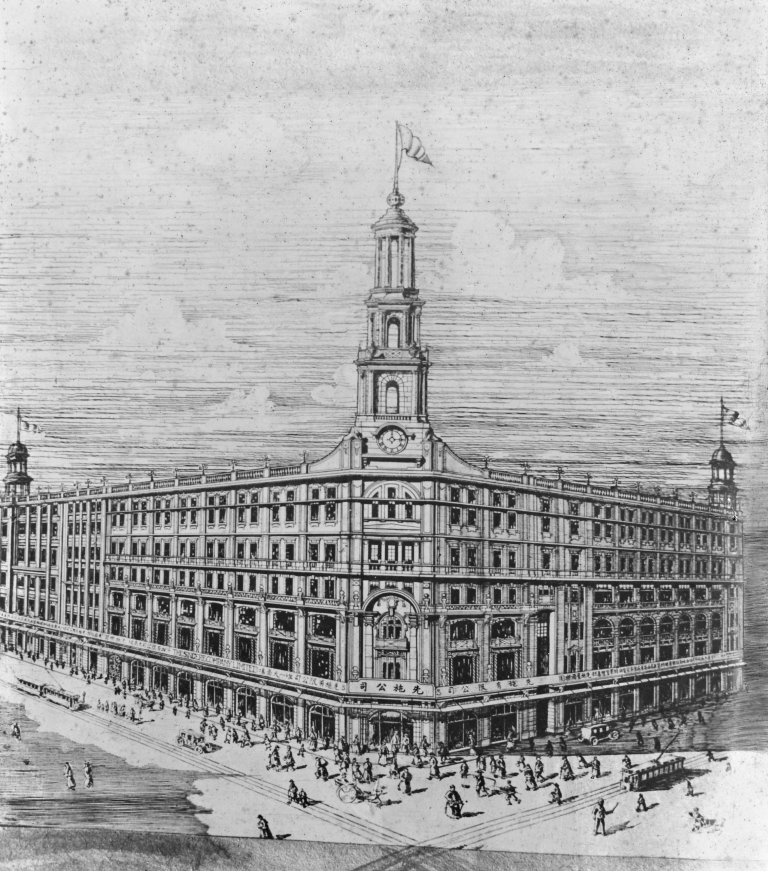
City of Sydney Archives (059\059013),
Courtesy of Gordon Mar